

A graphic designer is responsible for creating visually appealing and functional designs that help businesses communicate their messages effectively. They combine creativity with technical skills to produce graphics representing a brand’s identity and engaging the target audience.
The top 10 duties and responsibilities of a graphic designer include:
1. Conceptualizing Design Ideas
2. Creating Visual Assets
3. Brand Identity Development
4. Collaborating with Sales and Marketing Teams
5. User Interface and Experience Design (UI/UX)
6. Adapting Designs for Multiple Platforms
7. Managing File Preparation and Specifications
8. Handling Feedback and Revisions
9. Staying Updated with Design Trends
10. Project Management
In this article, we’ll review the key duties of a graphic designer and how their expertise can strengthen your brand’s visual presence and communication strategy. When hiring a graphic designer, consider these essential responsibilities to ensure you’re bringing in someone who can contribute meaningfully to your business’s growth.
1. Conceptualizing Design Ideas
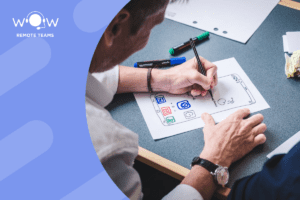
Graphic designers work closely with clients or teams to brainstorm and conceptualize visual concepts that capture a brand’s vision. Whether it’s a new logo, a marketing campaign, or an entire website layout, this initial phase is crucial for laying the foundation of the project.
Designers often sketch ideas, explore color schemes, and experiment with fonts before finalizing a direction. They incorporate the principles of design, such as balance, contrast, and alignment, to ensure the concept not only looks appealing but communicates the intended message clearly.
For example, a business owner might hire a graphic designer to create a visual concept for a product launch. The designer will study the product, market trends, and the target audience, using their creativity and design software to come up with multiple concepts that align with the business’s objectives. Successful graphic designers understand how to balance creativity with functionality, ensuring the design fits with both the brand’s identity and the medium in which it will appear.
2. Creating Visual Assets
Once a concept is approved, graphic designers create the visual assets that bring the idea to life. These assets can include everything from illustrations, icons, and infographics to digital ads, brochures, and social media content.
They use advanced design software, like Adobe Illustrator and Photoshop, to craft these elements. A successful designer knows how to balance aesthetic appeal with practical application, ensuring the assets can be used across various platforms, whether in print or digital form.
For instance, a graphic designer may be tasked with creating visual elements for a website. This includes not just the layout, but also icons, buttons, and banners that enhance the user experience. A designer may also be asked to create animations for an engaging website feature.
These visual assets are then optimized for different digital formats, ensuring they load quickly on websites or display correctly on mobile devices. Graphic designers often work with clients to ensure the visuals meet brand guidelines and the project’s goals.
3. Brand Identity Development
One of the most significant duties a graphic designer may undertake is developing and maintaining a consistent brand identity. This involves creating the visual aspects that make a brand easily recognizable, such as logos, color schemes, typography, and graphic styles.
A graphic designer creates visual concepts that help establish the brand’s personality and set it apart from competitors. They ensure these elements are applied consistently across all marketing materials, both online and offline.
For example, when a business is launching a new product or service, a graphic designer may be tasked with creating a logo, promotional graphics, and social media visuals that align with the established brand identity. This consistency in visual elements helps build trust and recognition with customers.
4. Collaborating with Sales and Marketing Teams
Marketing strategies rely on visuals that grab attention, communicate a message, and persuade action. Graphic designers develop these visuals by working directly with sales and marketing teams. A brochure might require highlighting product benefits, while a landing page design needs to focus on driving sign-ups.
Sales teams provide insights from customer interactions, such as common objections or preferences. Marketing teams outline campaign goals, target demographics, and messaging priorities. Together, these inputs shape visual designs that resonate.
Designers must align design elements with these goals while ensuring the visual design reflects the brand’s personality. Whether it’s creating designs for email campaigns or preparing motion graphics for product videos, collaboration ensures consistent messaging across all materials.
5. User Interface and Experience Design (UI/UX)
Effective UX design removes barriers between users and their goals. Graphic designers in this role create layouts that enhance navigation and usability. For instance, an e-commerce site’s success often depends on intuitive website design, clear call-to-action buttons, and a seamless checkout process.
Using design principles like hierarchy and balance, designers build prototypes that improve the user experience. UX designers analyze user feedback, tracking issues like drop-off rates on specific pages.
They adapt their designs to address these challenges. A well-executed UX design not only boosts engagement but also increases conversion rates, making this a valuable area in the field of graphic design.
6. Adapting Designs for Multiple Platforms
A social media campaign doesn’t stop at a single post. A graphic designer may create a carousel for Instagram, a thumbnail for YouTube, and an ad banner for Google—all from the same core concept. Each platform has its specifications. Instagram prioritizes square visuals, YouTube requires specific aspect ratios, and Google Ads demand precise file sizes.
Designers must ensure that each adaptation maintains the integrity of the original concept. This includes adjusting typography, color contrast, and image placement to fit different platforms without losing visual impact. A day in the life of a designer working on multi-platform campaigns might involve preparing motion graphics for video ads, optimizing images for mobile devices, and testing visual designs to ensure compatibility with responsive web layouts.
By focusing on platform-specific adjustments, graphic designers develop campaigns that maintain a cohesive look and feel, regardless of where they’re displayed.
7. Managing File Preparation and Specifications
Print or digital media requires precision. Graphic designers must prepare files that meet technical requirements, ensuring designs translate correctly across formats. For print projects, this means working with specifications like bleed areas, CMYK color profiles, and resolution. Digital media demands optimized file sizes, RGB color formats, and responsive layouts for web use.
For example, a designer creating a billboard must provide high-resolution files to avoid pixelation, while a social media banner should be lightweight to load quickly.
Graphic design software like Adobe Illustrator or InDesign is often used to meet these requirements. Attention to details like font embedding and vector scaling ensures consistency, regardless of the output.
8. Handling Feedback and Revisions
Revisions are part of the design process. Graphic designers use feedback from clients or teams to refine their work. Communication skills are critical here—understanding the rationale behind feedback prevents misalignment.
For instance, if a client requests a brighter color palette or a more minimalistic layout, designers adapt without compromising the design’s core message. Clear organization of design projects allows revisions to flow efficiently. Designers use software to create versions of their work, keeping track of iterations and ensuring all suggestions are addressed.
9. Staying Updated with Design Trends
Graphic design evolves with audience preferences, emerging styles, and technological advances. Aspiring graphic designers and seasoned professionals monitor trends in visual communication, from minimalist aesthetics to bold typography. These shifts influence what resonates in print or digital media.
Graphic designers must integrate new trends thoughtfully. For example, motion graphics or micro-interactions have become popular in UI design. Incorporating these elements into projects can improve user engagement.
At the same time, updates in graphic design software, such as Adobe Illustrator’s enhanced 3D tools, redefine how designers approach their work. Staying informed ensures that a designer’s projects remain fresh and relevant.
10. Project Management
Effective project management ensures design projects move smoothly from concept to completion. Deadlines, feedback cycles, and client expectations often overlap, making organizational skills vital for a graphic designer’s success. Designers must allocate time for brainstorming, revisions, and final approvals, ensuring all deliverables are completed without delays.
Collaboration tools like Asana or Trello allow designers to manage tasks and deadlines effectively. Communication platforms help maintain alignment with clients and teams.
A graphic designer’s ability to track progress, adjust priorities, and coordinate with others ensures that each design project stays on schedule and meets quality standards. Successful graphic designers use these strategies to balance creativity with productivity in both solo and team environments.

How the Duties and Responsibilities of Graphic Designers Affect Their Salary?
Skills in UX and UI design open doors to higher-paying opportunities. Designers creating interactive prototypes or intuitive interfaces often command premium rates. Layout and production design, while valuable, may not offer the same earning potential as specialized digital work.
Proficiency in multiple design tools widens project possibilities. A graphic designer fluent in software like Figma, Sketch, or After Effects handles diverse tasks, from static visuals to motion graphics. This versatility influences a designer’s pay rates.
Collaboration drives compensation upward. Designers working closely with marketing teams or product managers to refine projects and handle revisions efficiently become integral to a business’s success. Those adept at managing feedback cycles often earn more.
Staying current with design trends matters. Professionals who adapt to changes in UX design or integrate emerging styles into their work stand out. Businesses often pay more for designers who innovate while maintaining technical excellence.
Salary differences reflect project scope, skill diversity, and the ability to deliver impactful designs. Hiring decisions hinge on finding a designer whose expertise aligns with business goals, ensuring the investment brings both creative and financial returns.
How to Use Graphic Designer Responsibilities and Duties to Conduct Better Interviews?
A graphic design job demands more than creativity. Interview questions should uncover how well candidates handle a variety of design elements, from concept creation to collaboration. Start with technical expertise. Ask about their experience with computerized design tools like Adobe Illustrator or Figma. Probe further with practical tasks, such as explaining how they optimized a project’s layout for print versus digital formats.
Explore their communication style. Many graphic designers collaborate with marketing teams or stakeholders. Ask how they manage feedback and revisions. For example, “Can you share a time you adapted a project based on client input?” uncovers problem-solving and flexibility.
Understanding the life of a graphic designer means assessing their ability to manage deadlines and multitask. Questions about juggling multiple projects reveal how candidates organize and prioritize. Many designers work on overlapping assignments, so inquire about strategies for maintaining quality under tight timelines.
Dig into adaptability. Graphic designers must be able to work across different mediums. Discuss how they adjust designs for social media platforms, print ads, or web applications. Ask, “How do you approach creating designs that work for multiple channels?”
Focus on how well they handle trends. The field evolves constantly, and graphic designers need to stay updated. Question them about recent design changes they’ve embraced or how they ensure their work remains fresh. A candidate’s response provides insight into their curiosity and drive.
Tailored questions aligned with graphic design skills and responsibilities lead to insightful interviews. Use their answers to gauge how well they fit your team and project goals.
Final Thoughts: What Does a Graphic Designer Do?
Graphic designers create visual communication that connects brands with their audience. Their work encompasses a variety of responsibilities, from conceptualizing ideas and crafting visual elements to adapting designs for different platforms. By blending technical expertise with artistic creativity, graphic designers develop designs that are functional, aesthetically pleasing, and aligned with a company’s goals.
Businesses looking to hire a graphic designer should consider candidates with strong graphic design skills, proficiency in design software, and experience in managing diverse design projects. Graphic designers must be able to collaborate effectively, handle revisions, and stay updated with design trends to deliver impactful results. Assess their ability to work on digital media, print materials, and UI/UX design to ensure they can meet your business’s specific needs.
At Wow Remote Teams, we connect businesses with talented graphic designers from Latin America. Our designers specialize in creating visual concepts that align with your brand’s identity while producing high-quality, engaging designs for digital and print media.
With our skilled professionals, you can hire graphic designers who seamlessly integrate into your team and contribute to your company’s success.